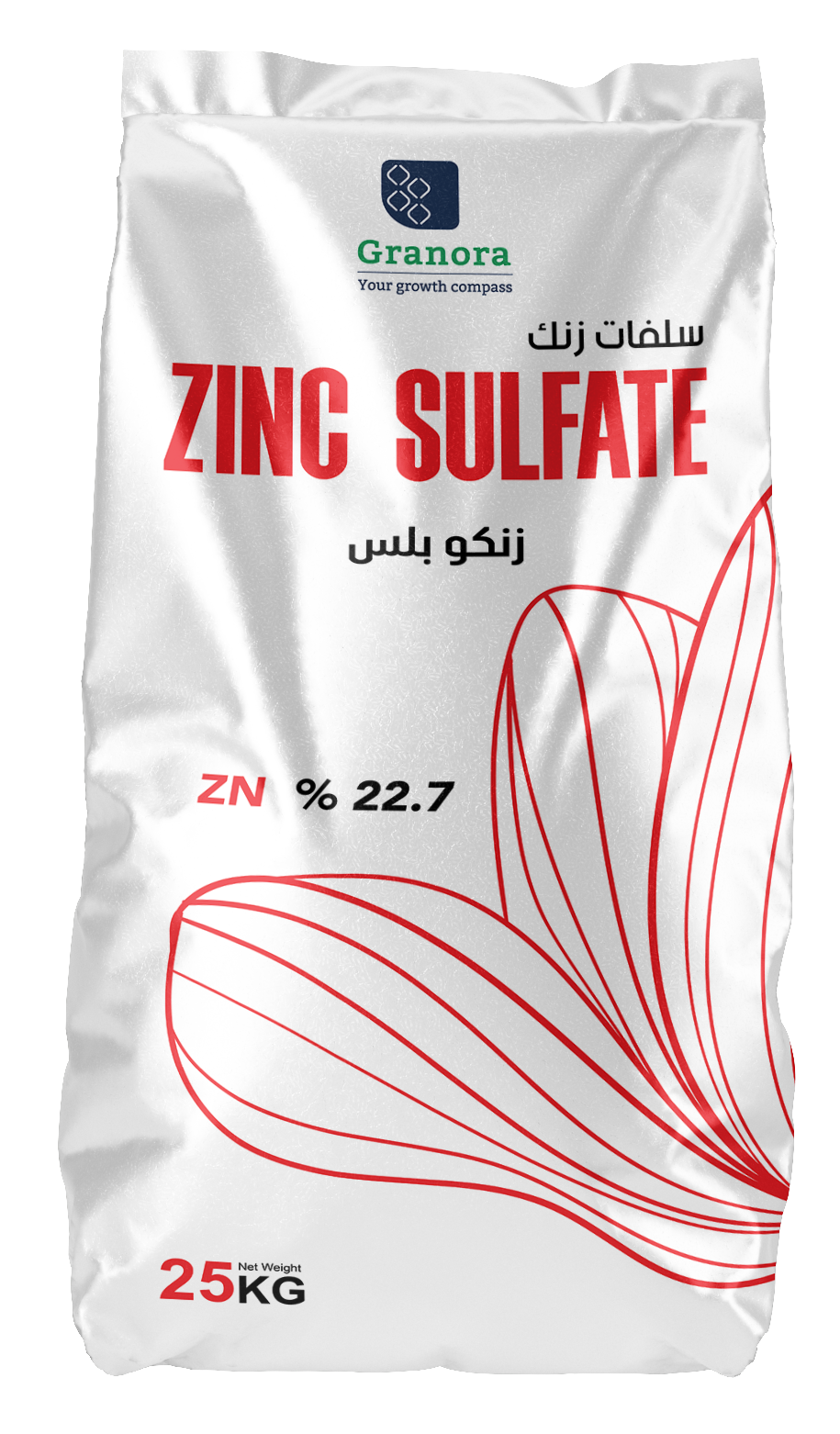
Zinc contributes to the synthesis of important proteins such as Glycol-Glycine Peptidases.
It contributes to growth hormone synthesis as well as pollen grain development and production.
It helps plants retain moisture, synthesize proteins, create RNA molecules, and promotes the development of cytochromes.
These chemicals are known for their great purity and water solubility.
Chemical Composition :
| Zinc | 22.7% |
| Calcium | 26% |
The properties of the compound:
Zinc is involved in the production of both Glycol and Glycine Peptidases, which are required for protein metabolism. It aids in the creation of growth hormones and helps to shape and produce pollen grains. Zinc also helps the plant retain moisture, forms proteins and RNA molecules, and promotes the creation of cytochromes.
These chemicals are distinguished by their great purity and simple solubility in water. They don’t leave any residue in irrigation systems.
The acidity of these chemicals has a major influence that is consistent with the alkaline character of Egyptian soils.
Methods of addition and use:
By foliar spray:Generally, use 2 to 4 grams per liter as needed, combined with citric acid or amino acids.
For soil fertilization:Apply once a week using irrigation networks at a rate of 2 to 3 kg per application, according to the proposed fertilization program. It is best to combine it with citric acid during addition.